
WHAT IS CAREER TECHNICAL EDUCATION (CTE)?
The short answer:
Career Technical Education (CTE) is a multi-year sequence of high school courses that combines core academics with hands-on technical training, so students can explore a real career - in healthcare, construction, agriculture, engineering and more - before they graduate. It usually ends with a real product, a real certification or a real workplace.
Please note that Career Technical Education Foundation Sonoma County does not “own” CTE. The term CTE refers to a nationwide category used in schools to describe a particular course. Please learn more below!
Jump To: Definition of CTE · CTE’s Core Pillars · How A CTE Pathway Works · Is CTE the Same as “Vocational Training”? · What Subjects Does CTE Cover? · Does CTE Work? · What Does CTE look like in Sonoma County? · Frequently Asked Questions (FAQ)
Career Technical Education - Defined

Career Technical Education, also referred to as CTE, is a multi-year sequence of courses that integrates core academic knowledge with technical and occupational knowledge to provide students with a pathway to post-secondary education and careers. CTE programs deliver an enriched educational experience that promotes student interest and academic success. CTE ensures local youth have a greater chance of seeing the connections between academics and the workplace, builds technical and soft skills and creates informed education-to-career plans.
In plain terms: it is a set of classes that add up to something. Instead of one elective you take and forget, CTE is a sequence, and it usually ends with a real product, a real certification or a real workplace. Graduates of today's rigorous and relevant CTE programs are better prepared for high-wage, high-skill and high-demand careers.
You will hear CTE called by other names - career and technical education, career-connected learning, pathway programs, and historically, the trades or vocational education. In most California schools, they all point at the same idea: learning by doing the actual work of an actual career, while you are still in high school.
Career Technical Education is…
Relevancy - CTE integrates core curriculum with hands-on, industry-related project work and skill-building exercises to connect the classroom to the real world.
Skill Building - CTE fosters an environment to learn and practice skills needed in life and work, such as collaboration, communication and initiative, as well as technical skills related to specific careers.
Career Exploration - CTE creates opportunities to observe the “real world” by linking students with local industry and employers through internships, job shadowing, workplace tours, industry-mentored projects and work-based learning.
Ready for Their Future - CTE better prepares students for life after high school, ensuring higher levels of success in their pursuit of post-secondary degrees, certifications and training.
How a CTE Pathway Works
The pathway is the sequence itself: linked courses that carry a student from an introductory class through advanced coursework, and often into work-based learning such as an internship, a job shadow or an industry-mentored project. A typical high school pathway looks like this:
01 · Introductory Course
Try the field on
High school students are encouraged to take a first-year class that surveys the career area - what the work is, what the tools are, whether it fits. Low stakes by design: exploring and ruling a career out is a success, not a failure.
02 · Concentrator Course
Go Deeper
Advanced coursework in the same field, building real technical skill - welding certifications, clinical procedures, code that runs, food that serves. Students who reach this stage are called concentrators.
03 · Capstone & Work-Based Learning
Real-World
The sequence ends in the real world: an internship, an industry certification, early college credit, or a capstone project judged by people who do the job for a living.
Along the way, many pathways connect to dual enrollment - college courses taken in high school - and to industry credentials that count with employers on day one. In Sonoma County, pathway students can earn early college credit at Santa Rosa Junior College through programs like Path to Purpose.
Is CTE the same as vocational education?
CTE is the modern successor to vocational education - same roots, different destination. The old "voc-ed" model, dating back to the federal Smith-Hughes Act of 1917, tracked some students toward trades instead of college. That either/or is exactly what CTE was built to retire.
Today's CTE, funded federally under the Carl D. Perkins Career and Technical Education Act, integrates with core academics rather than replacing them. A CTE student takes the same math and English as everyone else - and a pathway on top of it. Many CTE pathways are A-G approved, meaning they count toward University of California and California State University admission requirements. The destination is not "college or career." It is college and career, in whichever order serves the student.
The stigma is the last thing to die, and it deserves to. A student building hospital-grade clinical skills or programming autonomous robots is not on a lesser track. They are on a faster one - they know why they are learning what they are learning.
What subjects does cTE Cover?
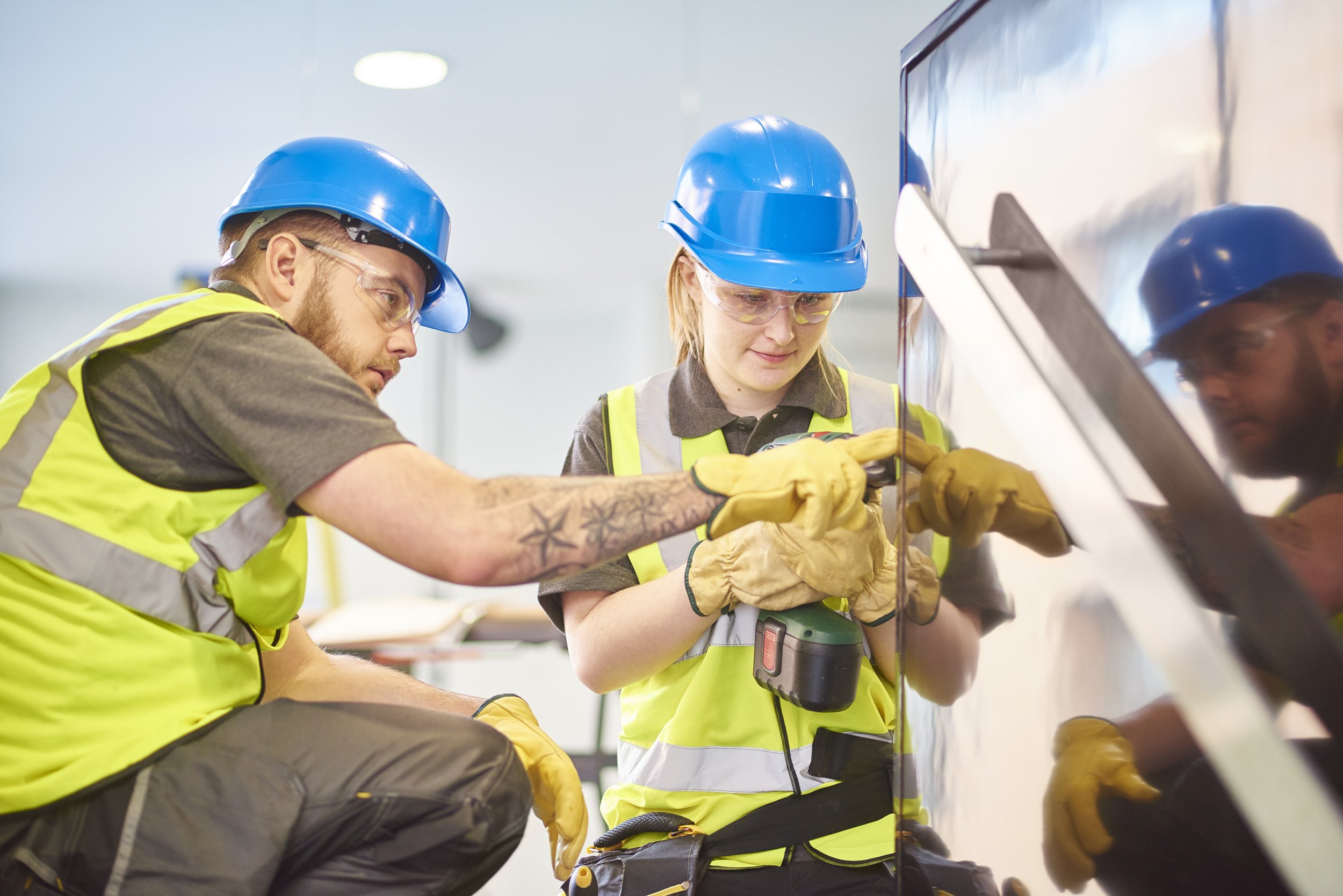
Almost any career you can name. The California Department of Education organizes CTE into 15 industry sectors, each containing multiple career pathways:
Agriculture & Natural Resources
Business & Finance
Education, Child Development & Family Services
Energy, Environment & Utilities
Arts, Media & Entertainment
Engineering & Architecture
Health Science & Medical Technology
Information & Communication Technologies
Marketing, Sales & Service
Building & Construction
Fashion & Interior Design
Hospitality, Tourism & Recreation
Manufacturing & Product Development
Public Services
Transportation
Want to see what these look like as real Sonoma County jobs, with real local employers? Explore nine local industries through our Career Exploration Video Library below.
Does CTE work?
Yes! And it is one of the better-measured ideas in American education. Nationally and locally, the numbers point the same direction:
~95%
of students who concentrate in CTE graduate high school - well above the national average*
3 in 4
CTE concentrators pursue post-secondary education or training shortly after high school*
91%
of our own 2026 Path to Purpose interns felt prepared, supported, connected and future-ready
29,000+
Sonoma County students directly impacted by CTE Foundation investments since 2012
*National figures - according to the U.S. Department of Education & Advance CTE
What does CTE Look Like in Sonoma County?
CTE Foundation funds programs that line up with Sonoma County's five key industry drivers, as identified by the Economic Development Board: Advanced Manufacturing (including STEM); Construction/Green Services; Health Care; Agriculture; and Sonoma Specialties (Wine/Hospitality/Tourism).
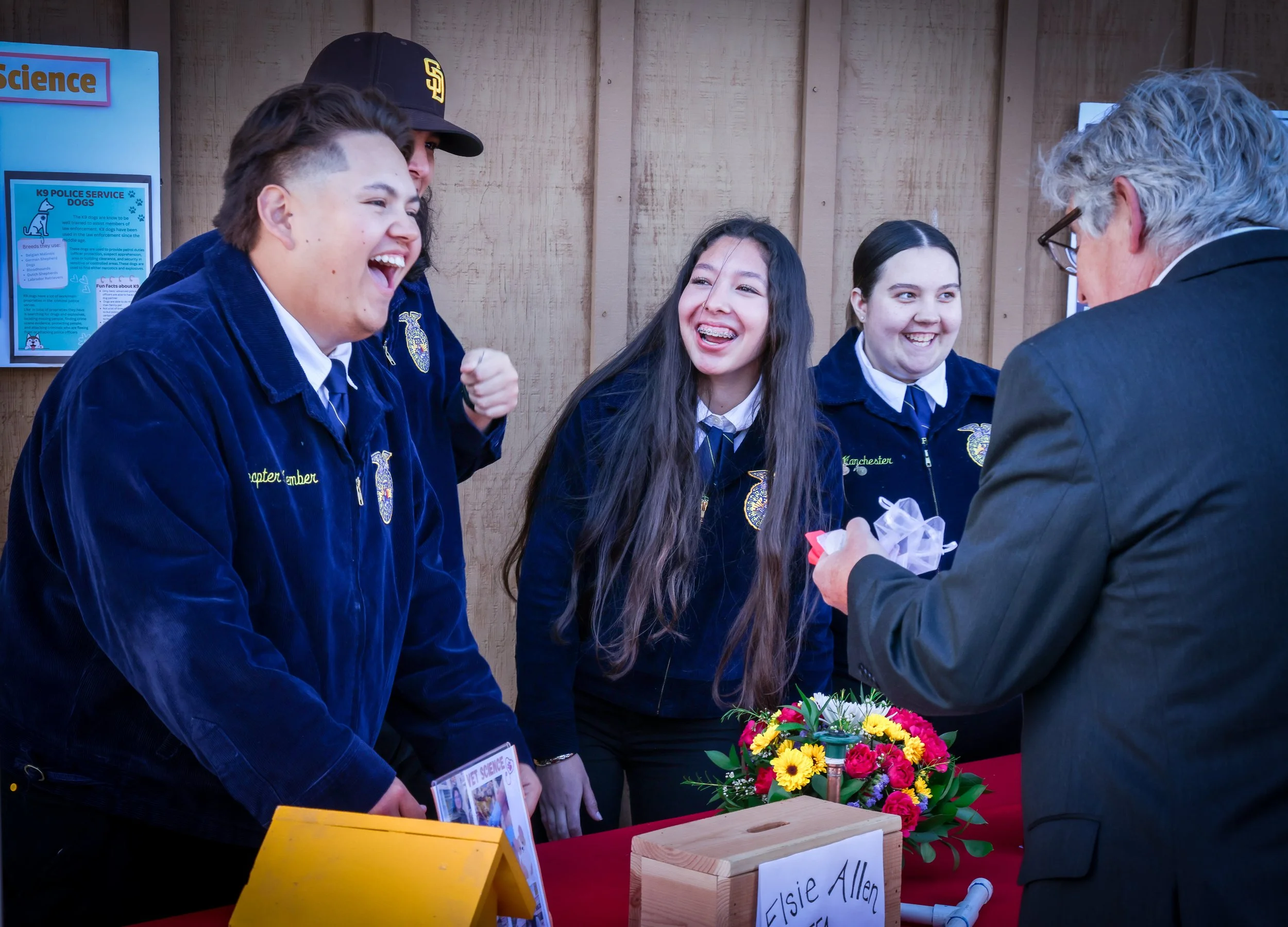
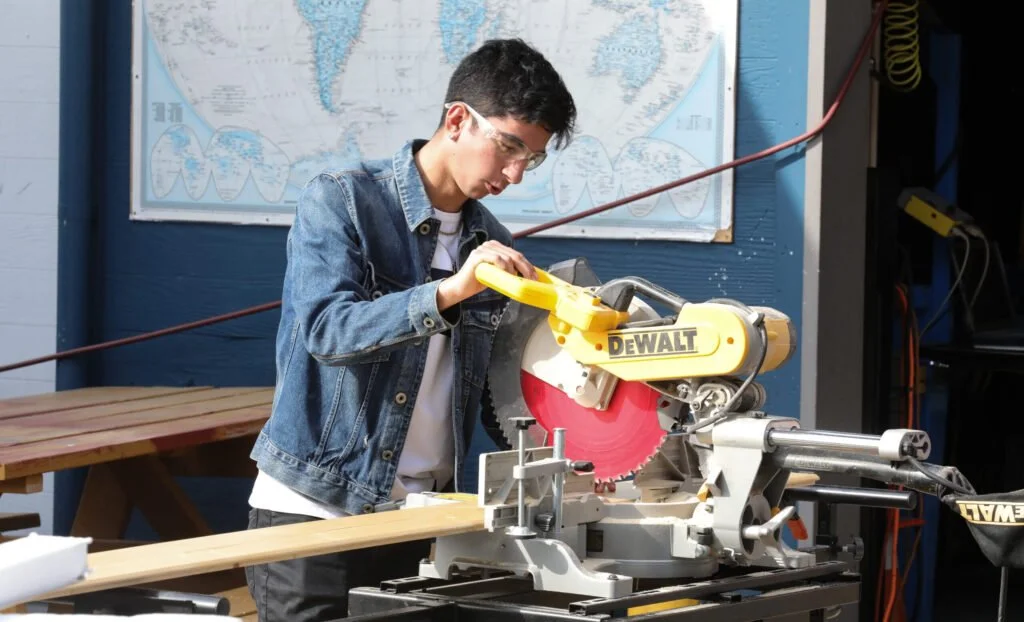
That is why a CTE class in this county might be a hospital-grade skills lab, a working farm, a welding bay, a broadcast studio or a commercial kitchen. The subject changes. The structure does not.
CTE pathways run in more than 25 Sonoma County high schools today - from health science pathways feeding the North Bay's fastest-growing sector, to the student-built boats, robots and food trucks on display each spring at Spark the Future.

Common Questions About CTE
-
No. CTE better prepares students for life after high school, ensuring higher levels of success in their pursuit of post-secondary degrees, certifications and training. Plenty of CTE students go straight to a four-year university. The point is that they arrive knowing why they chose it.
-
No. CTE integrates core academic knowledge with technical and occupational knowledge. Students still take math and English. CTE gives them a reason to care about both.
-
The pathway is the sequence itself: linked courses that carry a student from an introductory class through advanced coursework, and often into work-based learning such as an internship, a job shadow or an industry-mentored project.
-
CTE courses are offered through your high school, so start with your counselor or your CTE teacher and ask what pathways your campus runs.
-
CTE courses at public high schools are part of the regular school day, at no cost to families - that includes the equipment, the labs and the materials. Keeping those programs funded and current is a large part of what CTE Foundation and its donors do.
-
Yes. Many pathways connect to dual enrollment and industry credentials. In Sonoma County, students can earn early college credit at Santa Rosa Junior College - including one credit through the Path to Purpose internship program - and pathway courses can lead to recognized certifications, from CNA to welding.
-
Most CTE pathways run through high school, typically grades 9–12, with introductory courses open to underclassmen and capstone experiences in junior and senior year. Some Sonoma County programs, including our Partnership Funding Opportunity, also reach middle school students in grades 6–8.
-
No. Training is a separate institution you attend after high school. CTE happens inside your regular high school, as part of your regular schedule - and it can lead to training, community college, a four-year university or straight into work.
-
We are not a school - we are an intermediary. We fund CTE programs, connect schools with local employers and place students into internships, so that what happens in class connects to what happens in the workforce. See how we invest below!

See CTE in Action
Our impact reports show what these programs produced last year, in numbers and in students' own words.